
The Nature of Casino Games
Casino games can generally be classified into two categories: games of chance and games of skill. Players seeking a thrilling experience often prefer games of chance, such as slots or roulette, which can lead to a fast withdrawal casino uk and rely heavily on random outcomes, with players having little to no control over the results. These games are designed to ensure that the house always maintains an edge, making it challenging for players to influence their success through skill alone.
On the other hand, games of skill, such as poker or blackjack, allow players to use their knowledge, strategy, and decision-making to affect the outcome. In these games, skill can significantly influence the results, making them appealing to those who invest time in learning strategies and honing their techniques. Players who can assess risk and make calculated decisions are likely to improve their chances of winning.
The distinction between these two types of games is crucial for understanding how skill can impact outcomes. In skill-based games, experienced players can identify patterns and adapt their strategies based on their opponents’ behavior or the game’s dynamics. This adaptability gives skilled players a potential advantage over less experienced counterparts, illustrating how knowledge and practice can elevate a player’s performance.
The Role of Skill in Popular Casino Games
In poker, for example, a player’s ability to read opponents and gauge their betting patterns is invaluable. Successful players employ tactics such as bluffing and calculating pot odds, which require deep understanding and strategic thinking. Those who dedicate time to mastering the nuances of the game can often outperform those who rely solely on luck. The strategic element present in poker creates an environment where skill can indeed translate into increased winning chances.
Similarly, blackjack is another classic example where skill comes into play. Players can utilize strategies such as card counting or basic strategy charts to optimize their decisions. By understanding when to hit, stand, double down, or split pairs, players can decrease the house edge and increase their likelihood of winning. Mastery of these strategies often separates successful players from casual gamblers who approach the game without preparation.
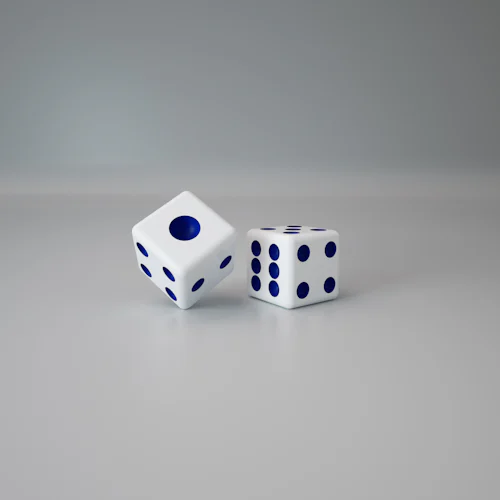
In contrast, when examining games like roulette or slot machines, the influence of skill diminishes significantly. These games operate on principles of randomness, and no amount of skillful play can alter the odds. Players who choose to participate in these types of games should do so with the understanding that their outcomes are largely predetermined by chance, illustrating the clear distinction between skill-based games and those reliant on luck.
Improving Skill Through Practice and Education
For players looking to improve their chances in skill-based games, investing time in practice and education is vital. Many reputable online resources and books are dedicated to teaching various strategies for games like poker and blackjack. These resources often provide insights into advanced strategies, psychological tactics, and common pitfalls that new players might encounter.
Online platforms also allow players to practice their skills in low-stakes environments. This enables aspiring gamblers to refine their techniques without the pressure of significant financial loss. Utilizing free versions of games or low-stakes tables helps players gain experience and confidence. Continuous practice can lead to a deeper understanding of the game’s mechanics, thereby improving chances of success in real-money scenarios.
Joining communities or forums where players share strategies and experiences can further enhance learning. Engaging with others who are passionate about the game creates opportunities for discussion and can introduce new approaches to strategy. In many cases, the exchange of ideas in these communities can expose players to alternative methods of thinking that can positively influence their gameplay.
The Psychological Aspect of Skill in Casino Games
The psychological aspect of gambling cannot be understated, especially regarding games that require skill. Mental fortitude, emotional control, and the ability to manage stress play crucial roles in a player’s success. Skilled players often demonstrate resilience, maintaining composure during high-pressure situations while making strategic decisions without succumbing to emotional impulses.
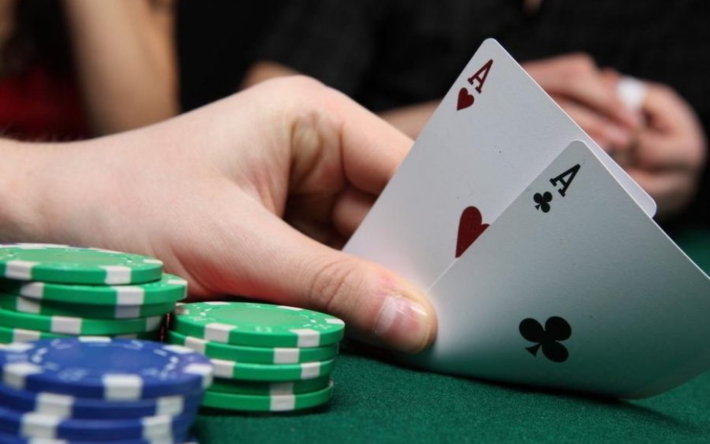
Moreover, understanding one’s own psychological limits can significantly impact performance. Players who are aware of their emotional triggers and tendencies can develop strategies to combat potential pitfalls, such as tilt—the emotional state where a player makes irrational decisions. This self-awareness can lead to improved decision-making, ultimately enhancing a player’s chances of success.
Additionally, the competitive nature of skill-based games, such as poker, requires players to remain observant and adaptable. Skilled players must stay attuned to their opponents’ behaviors and adjust their strategies accordingly. This level of psychological engagement demands constant mental acuity and can be more rewarding than pure games of chance, where such considerations are non-existent.
Conclusion: The Balance of Skill and Luck in Casino Gaming
In conclusion, whether skill can improve your chances in casino games largely depends on the type of game being played. In games of skill, dedicated effort, practice, and strategic thinking can indeed increase winning opportunities. Players who invest their time into understanding the intricacies of their chosen game can effectively position themselves for success in a way that pure chance cannot accommodate.
Conversely, players drawn to games of chance must acknowledge the inherent unpredictability and the house edge. Recognizing these boundaries is essential for responsible gambling and setting realistic expectations. Understanding the difference between skill and luck empowers players to make informed choices about their gaming experiences.
For those looking to explore more on this topic, resources abound online, providing valuable insights into both skill-based and chance-based games. Players are encouraged to continue their education, practice regularly, and responsibly enjoy their gaming experiences, blending skill with an understanding of the luck involved.

